

How Does Modified Tapioca Starch Transform Modern Industries?
Summary: Modified tapioca starch has emerged as a versatile ingredient with applications spanning food, pharmaceuticals, textiles, and paper production. This article explores how modified tapioca starch enhances product quality, solves industry challenges, and why companies like Spark are at the forefront of providing high-performance solutions. Learn how to optimize its use for your business needs and stay ahead in competitive markets.
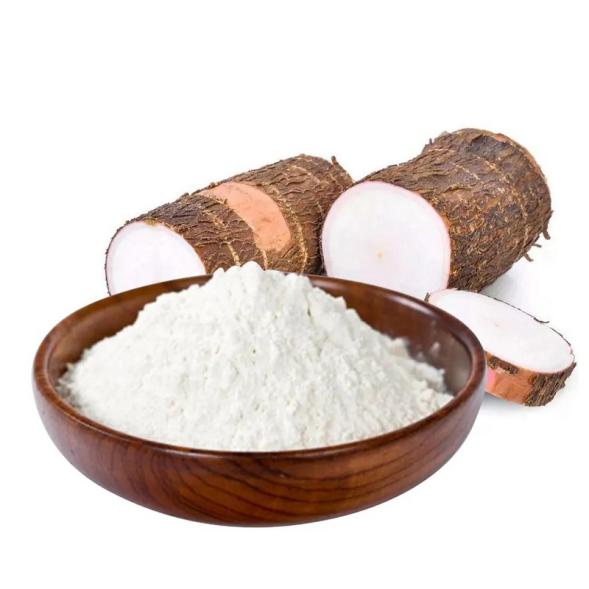
Table of Contents
- What is Modified Tapioca Starch?
- Key Benefits of Modified Tapioca Starch
- Industrial Applications
- How to Select the Right Type
- Handling and Storage Tips
- FAQ
- Contact Spark
What is Modified Tapioca Starch?
Modified tapioca starch is a chemically or physically altered form of natural tapioca starch derived from cassava roots. Unlike native starch, it exhibits enhanced properties such as improved water solubility, viscosity control, and resistance to heat, acid, or shear forces. This modification allows industries to tailor its performance according to specific manufacturing needs.
Key Benefits of Modified Tapioca Starch
Understanding the advantages can help businesses integrate it effectively:
- Enhanced Stability: Maintains texture and consistency in food products even under heat or freezing conditions.
- Improved Thickening: Provides controlled viscosity for sauces, soups, and pharmaceutical gels.
- Adhesion & Binding: Strengthens paper, textile coatings, and packaging materials.
- Cost Efficiency: Reduces overall production cost by requiring lower quantities than native starch.
- Customizable Properties: Can be tailored to resist acids, enzymes, or high shear conditions.
Industrial Applications
Modified tapioca starch has versatile uses across multiple sectors. Here’s a breakdown:
| Industry | Application | Benefits |
|---|---|---|
| Food & Beverage | Thickening sauces, stabilizing dairy, improving frozen food texture | Consistent texture, freeze-thaw stability, reduced syneresis |
| Pharmaceutical | Tablet binders, film coatings, suspending agents | Controlled release, uniformity, stability under varying conditions |
| Textiles | Warp sizing, fabric finishing | Improved strength, smooth surface, reduced breakage |
| Paper & Packaging | Coating, adhesive, filler applications | Enhanced printability, bonding, surface finish |
How to Select the Right Type
Choosing the correct modified tapioca starch depends on the intended application. Follow these steps:
- Identify the functional requirement: Thickening, binding, adhesion, or stability.
- Check processing conditions: Heat, pH, and shear resistance.
- Test pilot batches: Validate performance before full-scale production.
- Consult with suppliers: Companies like Spark provide technical data and customization support.
Handling and Storage Tips
Proper handling ensures product integrity:
- Store in a cool, dry place away from moisture.
- Keep containers tightly sealed to prevent contamination.
- Use clean, dry equipment during handling.
- Follow safety data sheets for dust management.
FAQ
Q1: Can modified tapioca starch be used in gluten-free products?
A1: Yes, it is commonly used as a gluten-free thickener and binder due to its neutral taste and excellent texture-enhancing properties.
Q2: Is modified tapioca starch heat resistant?
A2: Depending on the modification type, it can resist high temperatures, making it suitable for cooking, baking, and industrial processes.
Q3: How is it different from native tapioca starch?
A3: Modified starch offers controlled viscosity, improved stability, and resistance to environmental factors, which native starch cannot consistently provide.
Q4: Can it replace other starches in pharmaceutical tablets?
A4: Yes, it is often used as a cost-effective and reliable alternative due to its binding and disintegration properties.
Contact Spark
If you are looking to enhance your products with high-quality modified tapioca starch, Spark is your trusted partner. Our expert team can guide you in selecting the perfect starch for your application. Contact us today to discuss your requirements and get a customized solution.