

Why Is Modified Tapioca Starch Becoming a Preferred Ingredient Across Industries?
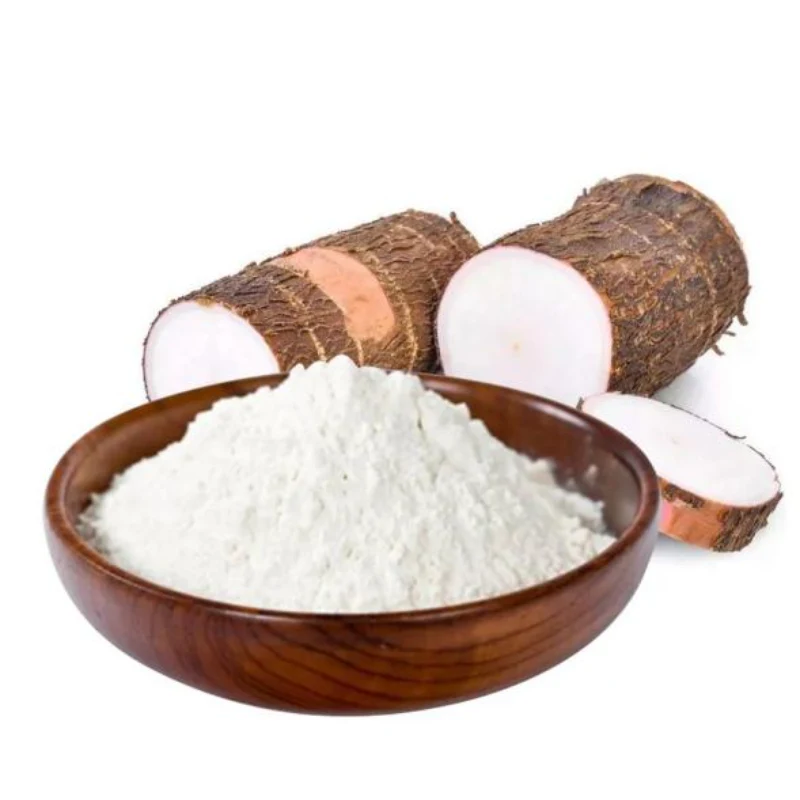
In the evolving world of food ingredients and industrial applications, Modified Tapioca Starch has emerged as a versatile and reliable choice. Derived from cassava roots, this ingredient undergoes controlled modification to enhance its functional properties. This article explores its rise, key benefits, and the supply landscape that supports global demand.
What Drives the Growing Adoption of This Ingredient?
Several factors contribute to the expanding use of Modified Tapioca Starch in food and non-food sectors. Its neutral taste, clarity, and stability make it suitable for diverse formulations. Key drivers include:
- Clean-label compatibility: Tapioca is recognized as a familiar, plant-based source.
- Functional versatility: It performs well as a thickener, stabilizer, and texturizer.
- Allergen-friendly profile: It is naturally free from common allergens like gluten and soy.
- Processing tolerance: Modified versions withstand heat, shear, and acidic conditions.
- Global availability: Cassava cultivation spans tropical regions, supporting steady supply.
Functional Properties That Matter
Modification alters the starch granule to improve freeze-thaw stability, viscosity, and mouthfeel. These enhancements allow formulators to achieve consistent results in products ranging from sauces to baked goods. The ingredient also contributes to moisture retention and shelf-life extension.
Comparison with Other Modified Starches
While corn, potato, and waxy maize starches each offer unique advantages, tapioca-based options are valued for their neutral sensory profile and smooth texture. This makes them particularly suitable for delicate applications where flavor is paramount.
Which Sectors Benefit Most from This Ingredient?
The application scope of Modified Tapioca Starch extends across multiple industries, each leveraging its specific functional attributes.
Food and Beverage Manufacturing
In food production, it serves as a thickener in soups, sauces, and gravies. It also improves texture in dairy alternatives, confectionery, and processed meats. Its resistance to breakdown during retorting and freezing makes it ideal for ready meals and frozen products.
Pharmaceutical and Nutraceutical Uses
Modified tapioca starch can act as a binder, disintegrant, or filler in tablet formulations. Its compatibility with active ingredients and ability to provide consistent release profiles support its use in oral dosage forms.
Industrial and Personal Care Applications
Beyond food and pharma, this starch finds use in biodegradable plastics, paper coatings, and textile sizing. In personal care, it functions as a thickener and sensory enhancer in creams and lotions.
Qualitative Comparison of Common Modified Starches
The following table outlines general characteristics without numerical data:
| Aspect | Modified Tapioca Starch | Modified Corn Starch | Modified Potato Starch |
|---|---|---|---|
| Source | Cassava root | Corn | Potato |
| Flavor Profile | Neutral, clean | Mild, slightly cereal | Neutral, earthy |
| Texture | Smooth, glossy | Short, opaque | Long, cohesive |
| Freeze-Thaw Stability | Excellent | Moderate | Good |
| Typical Applications | Dairy, sauces, frozen foods | Baked goods, snacks | Meat products, batters |
What Challenges Shape the Supply Chain?
The supply of Modified Tapioca Starch depends on cassava harvests, which are subject to climate and regional factors. Transportation costs and trade policies also influence availability. To mitigate risk, manufacturers maintain relationships with multiple producers and focus on quality consistency. Traceability from root to finished starch is increasingly important for regulatory compliance.
Processing and Modification Techniques
Modification methods include cross-linking, esterification, and acid thinning. Each technique yields specific functional outcomes. For instance, cross-linking improves heat and shear resistance, while esterification enhances freeze-thaw stability. Advanced production facilities use automated systems to ensure uniform modification and consistent quality.
Regulatory and Safety Considerations
Modified starches are regulated as food additives in many regions, with specific E-numbers denoting approved uses. Compliance requires documentation, safety assessments, and adherence to good manufacturing practices. Suppliers must stay current with changing regulations to ensure market access.
How Does Jinan Spark Support Global Supply?
Jinan Spark Imp & Exp Co., Ltd. is a professional distributor and exporter of modified food starch, modified corn starch, modified starch, and other ingredients. Its raw materials for modified starch include waxy corn, corn, tapioca, and potato. The company offers models such as E1442, E1422, E1414, and E1450. Because it knows the main manufacturers for different products and works only with top-quality producers, it can provide products with competitive prices and reliable quality.
Export Experience and Market Reach
The company has exported significant volumes of modified waxy corn starch, including E1442, E1422, and E1414, to the European market and received favorable feedback. This validates its service and quality standards. It continues to maintain high-quality service for all clients. Currently, it exports various modified starches and other ingredients worldwide, supporting diverse industrial needs.
Commitment to Quality and Partnership
By working only with top-tier producers, Jinan Spark ensures consistency and safety. Its portfolio includes Modified Tapioca Starch alongside other modified starch varieties. Clients benefit from a reliable supply chain and responsive service. The company welcomes opportunities to provide its products and services to new markets.
What Lies Ahead for Modified Tapioca Starch?
The future of this ingredient looks promising as demand for clean-label, allergen-friendly, and versatile texturizers grows. Innovations in modification technology may expand its functionality further. Sustainability initiatives in cassava cultivation could improve supply stability. For formulators, keeping abreast of these developments is essential.
Strategic Sourcing Considerations
When sourcing, prioritize suppliers with proven export experience, quality certifications, and transparent sourcing. Building long-term relationships reduces risk and ensures consistent product availability. Technical support from suppliers can also aid in formulation optimization.
The Value of Integrated Distribution
Integrated distributors like Jinan Spark Imp & Exp Co., Ltd. bridge the gap between manufacturers and end users. Their knowledge of multiple starch types and applications enables tailored solutions. As global demand rises, such partnerships will remain vital for efficient supply.
In summary, Modified Tapioca Starch offers a compelling combination of functionality, neutrality, and consumer-friendly attributes. Its adoption across food, pharmaceutical, and industrial sectors is set to continue. With reliable partners like Jinan Spark, businesses can secure high-quality supply to meet evolving market needs.
About Jinan Spark Imp & Exp Co., Ltd.: A professional distributor and exporter of modified food starch, modified corn starch, modified starch, and other ingredients. Raw materials include waxy corn, corn, tapioca, and potato. The company offers E1442, E1422, E1414, E1450, and more, serving global markets with a commitment to quality and competitive pricing.