

What Determines the Quality of Industrial Sodium Metabisulphite?
What determines the quality of industrial Sodium Metabisulphite? Key factors include Na2S2O5 content, iron and arsenic levels, water-insoluble matter, powder appearance, and storage stability. With a main content of at least 96.5%, Jinan Spark Imp & Exp Co., Ltd. supplies technical-grade Sodium Metabisulphite for rubber processing, textile treatment, leather production, and chemical manufacturing.
Table of Contents
- Key Factors That Determine Sodium Metabisulphite Quality
- Technical Specifications and Quality Indicators
- Industrial Applications of Sodium Metabisulphite
- Storage and Handling Considerations
- How to Select an Industrial Sodium Metabisulphite Supplier
- Frequently Asked Questions
Key Factors That Determine Sodium Metabisulphite Quality
When we evaluate industrial Sodium Metabisulphite, we do not judge quality by whiteness or appearance alone. Chemical composition, impurity levels, powder condition, and consistency between batches all affect how the material performs in actual production.
Sodium Metabisulphite (Na2S2O5), also known as sodium pyrosulfite, is an inorganic compound widely used as a reducing agent, bleaching auxiliary, and processing chemical. Its performance depends on the intended application. A rubber manufacturer, for example, may focus on reaction consistency, while a textile processor may pay closer attention to bleaching and dechlorination performance.
At Spark, we consider several quality indicators when supplying technical-grade Sodium Metabisulphite to industrial customers.
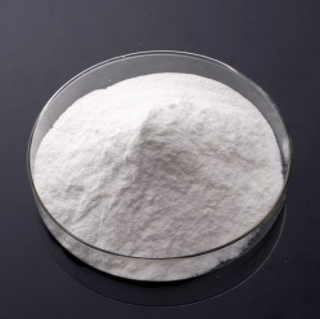
1. Main Chemical Content
The main content of sodium metabisulfite is one of the first specifications we recommend checking. Our technical-grade product has a specified Na2S2O5 content of at least 96.5%. A higher active content generally means a greater proportion of the material is available for the intended chemical reaction.
For industrial users, consistent chemical content helps with formulation calculations and process control. When changing suppliers or comparing batches, we recommend checking the actual inspection results rather than relying only on the nominal grade.
2. Iron and Arsenic Content
Trace impurities can affect the suitability of industrial raw materials, especially in processes with strict chemical specifications. Iron content in our product is controlled at no more than 0.005%, while arsenic content is limited to no more than 0.0001% according to the supplied product specification.
These indicators are particularly relevant when manufacturers need to maintain consistent raw material quality across production batches. We recommend confirming the applicable impurity limits against the requirements of the end-use process.
3. Water-Insoluble Matter
Water-insoluble matter is another important inspection item. Excessive insoluble residue may create filtration difficulties or unwanted deposits in processes where the chemical is dissolved before use.
Our technical-grade Sodium Metabisulphite specifies water-insoluble matter at no more than 0.05%. This indicator helps industrial users assess the cleanliness of the material and its suitability for their processing conditions.
4. Appearance and Powder Condition
Industrial Sodium Metabisulphite is commonly supplied as a white crystalline powder. In addition to chemical test results, we also pay attention to visible quality, including whiteness, black spots, powder flowability, and caking.
Good powder flowability makes weighing, transferring, and feeding easier. Material that is less prone to clumping is also more convenient to handle during storage and production. However, appearance should always be evaluated together with chemical inspection results rather than treated as proof of purity.
Technical Specifications and Quality Indicators
For industrial procurement, a clear specification table makes it easier to compare products and establish acceptance criteria. The following table summarizes the key inspection requirements for Spark's technical-grade Sodium Metabisulphite.
| Inspection Item | Specification | Quality Significance |
|---|---|---|
| Main Content (Na2S2O5) | ≥96.5% | Indicates the proportion of the main chemical component |
| Iron Content (Fe) | ≤0.005% | Controls trace iron impurities |
| Arsenic Content (As) | ≤0.0001% | Limits arsenic impurities |
| Water-Insoluble Matter | ≤0.05% | Helps assess material cleanliness |
| Appearance | White crystalline powder | Provides a basic visual quality reference |
These specifications provide a practical basis for technical evaluation. For applications requiring additional parameters, we recommend confirming the complete inspection requirements and requesting the relevant batch quality documentation before placing an order.
Industrial Applications of Sodium Metabisulphite
The application of Sodium Metabisulphite varies across industries. Its reducing and bleaching properties make it useful in several manufacturing processes, but dosage and operating conditions should be determined according to each production system.
Rubber Manufacturing
In the rubber industry, sodium metabisulfite can be used as a processing chemical in certain coagulation and polymer-related operations. It may help support process control and material preparation, depending on the specific rubber formulation and production method.
For manufacturers, consistent chemical composition is important because variations in raw material quality can affect processing conditions. We recommend conducting compatibility and dosage tests before introducing a new batch into an established production line.
Textile Printing and Dyeing
In textile processing, Sodium Metabisulphite is used as a bleaching auxiliary and dechlorinating agent. It can help remove residual chlorine after chlorine-based bleaching and is applied in the treatment of cotton, linen, silk, and chemical fiber fabrics where the process permits.
During procurement, textile manufacturers should consider chemical content, impurity levels, and dissolution behavior. These factors can influence chemical preparation and consistency during processing.
Leather Processing
Leather manufacturers use sodium metabisulfite in selected leather treatment processes. Depending on the formulation and processing conditions, it can contribute to chemical treatment and help achieve the required material characteristics.
Because leather properties are affected by multiple chemicals and processing stages, the appropriate dosage and treatment sequence should be established through production trials rather than assumed to be universal.
Chemical Manufacturing
Sodium Metabisulphite is also used as a raw material or processing agent in the production of other chemicals, including sodium hydrosulfite, vanillin, and hydroxylamine hydrochloride.
For chemical manufacturers, stable active content and controlled impurities are important when calculating formulations and maintaining consistent production conditions.
Photosensitive Material Processing
In the photosensitive industry, sodium metabisulfite can serve as a developing-related chemical component in certain processing formulations. Its reducing properties make it useful in selected photographic chemical applications.
Storage and Handling Considerations
Even a product that meets its original inspection specifications can experience quality changes if it is stored improperly. Sodium Metabisulphite should be kept in a cool, dry, and well-ventilated area, away from moisture, heat, and incompatible substances.
We recommend keeping packaging tightly sealed when not in use and avoiding unnecessary exposure to humid air. Moisture and prolonged exposure to air can contribute to product deterioration and changes in chemical performance.
During handling, operators should follow the applicable safety data sheet (SDS), wear suitable protective equipment, and avoid inhaling dust. Sodium metabisulfite can release sulfur dioxide when exposed to acids, so contact with acids should be prevented.
How to Select an Industrial Sodium Metabisulphite Supplier
Choosing an industrial chemical supplier involves more than comparing the quoted price per ton. We suggest evaluating the following points before confirming a long-term supply arrangement:
- Clear product specifications: Check the Na2S2O5 content, iron content, arsenic content, and water-insoluble matter.
- Batch consistency: Request inspection documentation and compare quality indicators across different batches.
- Packaging options: Confirm whether the supplier can provide suitable packaging for your storage, transportation, and consumption requirements.
- Export experience: Consider the supplier's experience with international shipping, documentation, and destination-market requirements.
- Technical communication: Make sure the supplier can understand your application and help clarify product specifications before shipment.
At Jinan Spark Imp & Exp Co., Ltd., we supply technical-grade Sodium Metabisulphite with a main content of at least 96.5%. Our product is available in polypropylene woven bags and paper-plastic composite bags, with net weight options of 25 kg, 50 kg, and 1,000 kg per bag.
Our export business serves customers in Russia, Southeast Asia, Central Asia, Latin America, the Middle East, and other international markets. In addition to industrial chemicals, Spark specializes in modified food starches sourced from waxy corn, corn, tapioca, and potato, including E1442, E1422, E1414, and E1450. This product range allows us to support customers sourcing different types of industrial and food processing ingredients.
For product details, visit our Sodium Metabisulphite product page or contact the Spark team to discuss specifications, packaging, and supply requirements.
Frequently Asked Questions
1. What is the main quality indicator of industrial Sodium Metabisulphite?
The main chemical content is one of the most important indicators. Spark's technical-grade Sodium Metabisulphite has a specified Na2S2O5 content of at least 96.5%. Iron, arsenic, and water-insoluble matter should also be checked when evaluating product quality.
2. What is the CAS number of Sodium Metabisulphite?
The CAS number of Sodium Metabisulphite is 7681-57-4. Its chemical formula is Na2S2O5, and it is also known as sodium pyrosulfite.
3. Which industries use technical-grade Sodium Metabisulphite?
It is used in rubber manufacturing, textile printing and dyeing, leather processing, chemical manufacturing, and selected photosensitive material applications. The specific grade and operating conditions should match the requirements of each process.
4. What packaging options are available for Spark's Sodium Metabisulphite?
We offer polypropylene woven bags and paper-plastic composite bags. Available net weights include 25 kg, 50 kg, and 1,000 kg per bag to accommodate different handling and purchasing requirements.
5. How should Sodium Metabisulphite be stored?
Store it in a cool, dry, and well-ventilated place, keeping the packaging sealed and protecting the material from moisture and incompatible substances. Follow the product SDS for detailed storage and handling instructions.
6. Can Sodium Metabisulphite be used in food processing?
Sodium Metabisulphite can be used as a food additive in certain permitted applications, subject to applicable food-grade specifications and local regulations. However, the product discussed in this article is technical grade and should not be assumed suitable for food use. Food processing applications require a separately qualified food-grade product.
7. How can industrial customers evaluate a new batch of Sodium Metabisulphite?
Check the batch inspection report against the agreed specifications, particularly the main content, iron, arsenic, and water-insoluble matter. For critical production processes, a small-scale compatibility test is also recommended before full-scale use.
At Spark, we believe reliable industrial chemical supply starts with clear specifications, consistent quality evaluation, and practical communication. By understanding the actual requirements of each application, we aim to provide suitable Sodium Metabisulphite products and build stable, long-term business relationships.